DALLAS -- The recent sweep of public-intoxication arrests inside North Texas bars elicited a barrage of comments and questions of fairness from area residents.
The Texas Alcoholic Beverage Commission and Irving police recently conducted sweeps of 36 bars and arrested about 30 people on charges of public intoxication after subjecting some bar patrons to field sobriety tests. The patrons were selected for the sobriety tests after agents determined the individuals posed an alleged risk to themselves or the public.
TABC representatives said the arrests were meant to prevent drunken driving. Viewers of NBC 5 e-mailed the station and wanted to know if the arrests were legal. A local defense attorney said the cases contain merit.
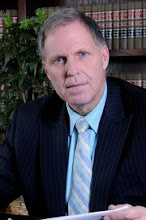
"Anybody out there who is drinking needs to be aware that you have to drink responsibly, even if you're not driving," criminal defense attorney Barry Sorrels said. "If you're inside a bar, you could be arrested."
Texas law states that anyone who is drunk in public and poses a danger to themselves or others can be arrested regardless of whether they were inside a restaurant or bar, or on a city street.
Sorrels said the key to the law lies in the potential danger. He said it is not illegal to be intoxicated in public. The gray area comes in determining the degree of risk, Sorrels said.
"If (the) TABC is going to adopt this as a get-tough policy, they have to be fair on who they arrest," Sorrels said.
Three people caught in the recent sweep were arrested at a bar inside a hotel at which they were registered guests. All three said they had no intention of driving.
"It's no defense if you're staying at a hotel where you were publicly intoxicated at a bar," Sorrels said.
COMMENT BY DAVID SLOANE: Perhaps Mr. Sorrels should find another practice area of the law. Public Intoxication is the most widely abused criminal statute by police. For someone to be LAWFULLY arrested for public intoxication, they MUST be SO intoxicated they pose a risk to their safety or others. (A much higher level of intoxication than required for DWI!) A mere buzz won't do! Also, how can someone that is even extremely intoxicated pose a danger to themselves or others if they are in-tow by a sober person, or as in this case so readily dismissed by Mr. Sorrels, staying in a hotel where the bar is located and they will never be setting foot out on the street? Perhaps NBC5i should be seeking comments from attorneys who are a little better informed of the criminal statutes!
Wednesday, March 21, 2007

Bar Sweep Sparks Controversy
Comedian Weighs In On Public Intoxication Arrests
FORT WORTH, Texas -- The Texas Alcoholic Beverage Commission sent a message to bar patrons last week.
TABC agents and Irving police swept through 36 Irving bars and arrested about 30 people on charges of public intoxication. Agency representatives say the move came as a proactive measure to curtail drunken driving.
North Texans interviewed by NBC 5, however, worried that the sweep went too far. At one location, for example, agents and police arrested patrons of a hotel bar. Some of the suspects said they were registered at the hotel and had no intention of driving. Arresting authorities said the patrons were a danger to themselves and others.
"Going to a bar is not an opportunity to go get drunk," TABC Capt. David Alexander said. "It's to have a good time but not to get drunk."
Dallas comedian Steve Harvey agreed with the Texas residents who said the arrests infringed on individual rights.
"If a guy's got a designated driver, go ahead and let him get toasted," Harvey told NBC 5.
Texas law states that inebriated individuals could be subjected to arrest anywhere for public intoxication. Harvey and other North Texans called the measure extreme.
"That seems to be an extreme case," one man said. "You are self-contained, in the hotel, you're not going in the streets, it seems a little ridiculous."
TABC officials said the sweep concerned saving lives, not individual rights. Harvey and others interviewed by NBC 5 said they believe drunken driving to be unacceptable, although Harvey wanted to confirm that the United States remains a free country.
"Freedom of drinking should always be allowed, and it is only American to let a guy get drunk where he wants to get drunk," Harvey said.
FORT WORTH, Texas -- The Texas Alcoholic Beverage Commission sent a message to bar patrons last week.
TABC agents and Irving police swept through 36 Irving bars and arrested about 30 people on charges of public intoxication. Agency representatives say the move came as a proactive measure to curtail drunken driving.
North Texans interviewed by NBC 5, however, worried that the sweep went too far. At one location, for example, agents and police arrested patrons of a hotel bar. Some of the suspects said they were registered at the hotel and had no intention of driving. Arresting authorities said the patrons were a danger to themselves and others.
"Going to a bar is not an opportunity to go get drunk," TABC Capt. David Alexander said. "It's to have a good time but not to get drunk."
Dallas comedian Steve Harvey agreed with the Texas residents who said the arrests infringed on individual rights.
"If a guy's got a designated driver, go ahead and let him get toasted," Harvey told NBC 5.
Texas law states that inebriated individuals could be subjected to arrest anywhere for public intoxication. Harvey and other North Texans called the measure extreme.
"That seems to be an extreme case," one man said. "You are self-contained, in the hotel, you're not going in the streets, it seems a little ridiculous."
TABC officials said the sweep concerned saving lives, not individual rights. Harvey and others interviewed by NBC 5 said they believe drunken driving to be unacceptable, although Harvey wanted to confirm that the United States remains a free country.
"Freedom of drinking should always be allowed, and it is only American to let a guy get drunk where he wants to get drunk," Harvey said.
Officials Make Public Intoxication Arrests Inside Bars
IRVING, Texas -- The Texas Alcoholic Beverage Commission has taken its fight against drunken driving to a new level. TABC agents, along with Irving police, targeted 36 bars and clubs Friday, arresting some allegedly intoxicated patrons before they departed the businesses.
The officers and agents also kept watch on bartenders who might have over-served patrons.
Agents arrested 30 people Friday night. Most of the suspects now face charges of public intoxication. The agents and Irving police officers traveled from bar to bar and worked undercover, according to an NBC 5 report.
The report also said that some agents shared tables with suspected drunken patrons. Some patrons were subjected to field sobriety tests inside bars.
Agents and officers said the operation represented an effort to reduce drunken driving.
Sgt. Chris Hamilton, of the TABC, said some inebriated bar patrons "end up killing themselves or someone else" after departing the businesses.
The officers and agents also kept watch on bartenders who might have over-served patrons.
Agents arrested 30 people Friday night. Most of the suspects now face charges of public intoxication. The agents and Irving police officers traveled from bar to bar and worked undercover, according to an NBC 5 report.
The report also said that some agents shared tables with suspected drunken patrons. Some patrons were subjected to field sobriety tests inside bars.
Agents and officers said the operation represented an effort to reduce drunken driving.
Sgt. Chris Hamilton, of the TABC, said some inebriated bar patrons "end up killing themselves or someone else" after departing the businesses.
Saturday, March 17, 2007
Friday, March 16, 2007
A Warning about "Crotch-Rockets"
Bulletin to Clients with Advice Concerning Motorcycles:
In my criminal defense practice I have noted an alarming trend concerning the police and those clients with motorcycles. Effective immediately, my legal advice to all clients owning or riding motorcycles affectionately known as “crotch rockets” is to stop. This advice is particularly so for clients who are already in legal jeopardy with pending criminal litigation; or are already on probation. Based on what I have seen I believe the average beat cop views these vehicles and those who ride them with pure and utter contempt. This is not simply a case where someone is more likely to ‘get a ticket’ if they ‘happen to get stopped.’ Those days went out with James Dean when there was a kinder and gentler justice system unlike the one we have today. I have found the majority of police officers with nothing more pressing to do will seize every opportunity to immediately pursue; detain; search; and arrest the drivers of these vehicles if they can. Merely riding one down a public street is an open invitation for legal problems in general; and sometimes very serious ones for those that for legal reasons should be trying to blend into the fabric of society. Riding one of these vehicles makes some very profound and unfavorable statements about you to the average stationary beat-cop which equates to an open invitation for legal problems. For these reasons alone I am advising all clients to stay off and away from these vehicles. I personally have nothing against motorcycles of any kind. This is pure and simple legal advice with no comment or opinion of the social issues associated with it. For many and for legal reasons alone merely riding a “crotch rocket” will result in serious legal situations when they’re just trying to go about their business.
In my criminal defense practice I have noted an alarming trend concerning the police and those clients with motorcycles. Effective immediately, my legal advice to all clients owning or riding motorcycles affectionately known as “crotch rockets” is to stop. This advice is particularly so for clients who are already in legal jeopardy with pending criminal litigation; or are already on probation. Based on what I have seen I believe the average beat cop views these vehicles and those who ride them with pure and utter contempt. This is not simply a case where someone is more likely to ‘get a ticket’ if they ‘happen to get stopped.’ Those days went out with James Dean when there was a kinder and gentler justice system unlike the one we have today. I have found the majority of police officers with nothing more pressing to do will seize every opportunity to immediately pursue; detain; search; and arrest the drivers of these vehicles if they can. Merely riding one down a public street is an open invitation for legal problems in general; and sometimes very serious ones for those that for legal reasons should be trying to blend into the fabric of society. Riding one of these vehicles makes some very profound and unfavorable statements about you to the average stationary beat-cop which equates to an open invitation for legal problems. For these reasons alone I am advising all clients to stay off and away from these vehicles. I personally have nothing against motorcycles of any kind. This is pure and simple legal advice with no comment or opinion of the social issues associated with it. For many and for legal reasons alone merely riding a “crotch rocket” will result in serious legal situations when they’re just trying to go about their business.
Wednesday, January 31, 2007
Discovery Tools DWI Defense Attorneys Can Use
Many Police Officers who aggressively enforce DWI or Drunk Driving Laws are aggressive in other aspects of their job. Aggressive officers generate more than their share of citizen complaints and ensuing internal investigations. This makes for fertile ground in discovery for a defense attorney IF they know where to look. This bulletin is designed to instruct a defense attorney where to look for buried skeletons concerning their arresting officer. It is imperative that you know how to ask for information, what to ask for, and where to look within a police organization.
HOW & WHERE TO ASK:
Your success will depend on how thorough and effective you are in seeking this information. "Give them ONLY what they ask for..." is what legal counsel for police agencies will tell record custodians in responding for requests for documents buried deeply within the bowels of a police organization. So the FIRST thing you need to know is to be careful how you craft your requests. For example: A requests for information reading as follows: "All citizen complaints, etc...wherein Officer Jones...received departmental discipline..." will yield ONLY the complaints where a citizen’s complaint was supported with enough evidence that the officer was disciplined. More often than not, officers are NOT disciplined in citizen complaints where it is the officer's word against the citizen's. So a requests crafted in this fashion will likely not reveal all the citizen complaints where the officer has lied his way out of it. Remember, cops aren't stupid! They're generally not going to screw up when they know independent witness or a video-camera is present. You have to use the magic-words in your request!
WHAT TO ASK FOR:
(The "personnel records" game.)
A request for an officer's "personnel file" will usually yield butt-kiss! (Unless you find mundane city personnel forms interesting reading.) Know that nearly all law enforcement agencies effectively hide their internal matters concerning officer's conduct in locations other than the officer's personnel file. You still need to ask for that because there will likely be valuable information concerning the officer's training, but don't stop there. In larger agencies that have an Internal Affairs Division, here is where you will usually find the Mother-Load of information! But don't limit it to that division. Craft your requests to include "all departmental internal investigations involving citizen, officer or supervisor complaints..." Also know that most internal affairs divisions keep a form of a rap-sheet, so to speak, on each officer. This will have a chronology of all matters investigated on this particular officer. Ask for that as well to be sure you got everything. Also, most internal affairs divisions maintain a master-log of all matters investigated including the personnel involved. This can be fertile ground for an attorney that does a lot of litigation with officers from one particular agency. Also, many police officers are rogues, traveling from agency to agency as their misdeeds catch up with them. Be especially wary of officers from small departments where their officers are paid hourly and there is a high turnover. A rookie starting out is one thing, but a seasoned and experienced officer? There a problem somewhere! In the "personnel file" you'll find their two-page city application that nobody looked at. This is worthless compared to their "Personal History Statement." These are basically a book the officer filled out in applying for their job where they were told to spill-their-guts about everything they've ever done wrong and they would likely be polygraphed on their responses. Also ask for performance appraisals/evaluations and reprimands/counseling/coaching reports.
ARREST SPECIFIC INFORMATION
Most agencies have a mother-load of information concerning your client's arrest that will not be reflected in the arrests report. The technology is there, the information is there, you just need to ask for it and ask for it quickly because so much of this data is periodically purged every 60-90 days.
Dispatch Information:
Computer Aided Dispatch Data: This is the screen the dispatcher was looking at and completed when she received that 911 call from a motorist, or a radio call from the officer stopping your client. That printout will contain the information the police learned, and when they learned it. It will also show the names of every officer that responded, when they arrived, and when they left. Here's a good example of how this can be helpful: I had a case in Keller, Texas, small town in northern Tarrant County. The dispatcher dispatched an intoxicated driver call. No license plate information and a very general description of the vehicle. By looking at the CAD Data, it was established there was no way my client's vehicle could have been the one the police were seeking, given the time and location of the call, direction or travel, etc. It also reflected another officer was stopping another vehicle of the same general description on the other side of town, which would have been more correctly the vehicle. In this case, the officer developed no reasonable suspicion of his own before stopping my client, the 911 caller was not identified, and this case will likely result in all evidence being suppressed. You won't find ANY of this information in the arrests report!
Jail Information:
In booking there is a medical screening of your client. I cannot begin to guess the number of times a jailer has check the "No" box where it ask if the prisoner is under the influence of alcohol or drugs. Want to bet he makes your witness lists for trial?
Field Training Officer Notes and Mobile Data Terminals:
If your arresting officer was a rookie with a partner, that partner was likely a training officer. Subpoena his notes and FTO daily critiques. There, he has likely made a record of everything that officer did incorrectly with your client. You won't find THAT in the arrests report either! Also, never, never, never fail to ask for the mobile data terminal transmissions. This is essentially e-mail from car-to-car, and car-to-station. These officers will yuck-it-up about your client before, during, and after the arrest. Ask for ALL MDT transmissions sent and received by your arresting officer (and any other officer that was at the scene) for the entire shift. Here you will often glean valuable information from discussion among the officers. Here's an example of a dialogue between two officers at the scene of a DWI arrest:
P-215 Dis [sic] he blow?
J-417 Yea...
P-215 Do I win?
J-417 Nope. .11
P-215 [Expletive omitted] ...I never thought he'd have blown that high, must be an Asian thing.
J-417 Didn’t [sic] mention eatin rice in the interview LOL
This case was reduced to an obstructing and the officer making the racial remarks was disciplined. Again, you won't find stuff like this in an arrests report!
I hope this blog has given defense attorneys some food for thought. If any of you need any help with any particular situation, don't hesitate to contact me at: http://www.sloanelaw.com
Subscribe to:
Comments (Atom)